AliReza

Tiny Clean-Up Crews: Bacteria at Work in Wastewater Treatment

Tiny Clean-Up Crews: Bacteria at Work in Wastewater Treatmen Click here In conventional wastewater treatment, various bacteria play a crucial role in breaking down organic matter, nitrogen, phosphorus, and other pollutants. These bacteria are categorized based on their oxygen requirements and the processes they are involved in. Below is a detailed review of the types […]

Tiny Clean-Up Crews: Bacteria at Work in Wastewater Treatment Read More »
Test-Show_Post

Add Your Heading Text Here Curabitur bibendum velit sed ipsum dictum congue. Praesent semper erat et aliquet interdum. Sed et eleifend nulla, finibus bibendum diam. Phasellus rhoncus iaculis fringilla. Nunc sit amet arcu vehicula, gravida ex placerat, ultricies tortor. Phasellus quis convallis nunc. Ut dignissim, ipsum in tristique ultrices, mauris ipsum mollis lectus, id pretium

Test-Show_Post Read More »

Rainbow's Ripple Effect: The Science Behind Organic Contamination

Rainbow’s Ripple Effect: The Science Behind Organic Contamination

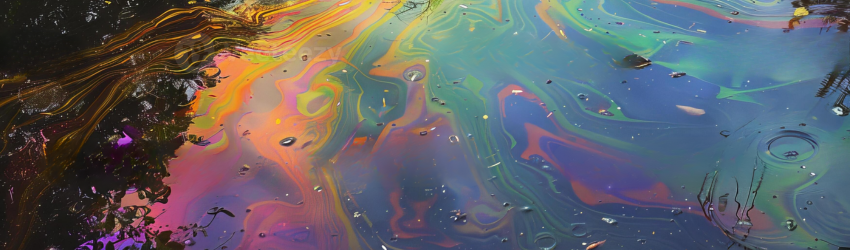
Listen To This Post ! The rainbow ripple effect seen on the surface of water is a common phenomenon that indicates the presence of certain contaminants, often oil, grease, or other hydrocarbon-based substances. This iridescent, rainbow-like sheen is primarily caused by the interference of light waves as they reflect off a thin layer of oil

Rainbow’s Ripple Effect: The Science Behind Organic Contamination Read More »

The Hidden Danger: Why Chlorine Harms RO Membranes, but THMs Don’t

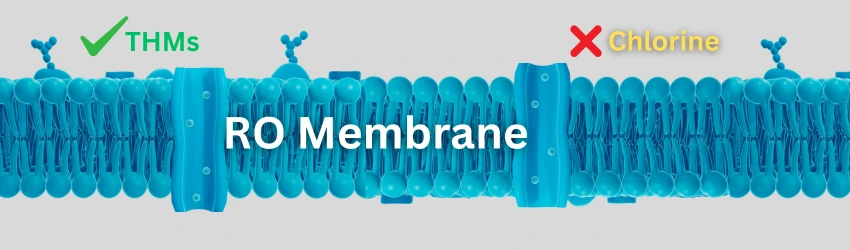
Listen To This Post ! Chlorine compounds can be harmful to reverse osmosis (RO) membranes. Chlorine, in particular, is highly oxidative and can degrade the polyamide layer of most RO membranes, leading to reduced performance and membrane damage over time. That’s why pretreatment steps are often used to remove chlorine (e.g., with activated carbon filters

The Hidden Danger: Why Chlorine Harms RO Membranes, but THMs Don’t Read More »

THMs: The Chlorine Byproduct Threat, and How to Get Rid of Them

THMs: The Chlorine Byproduct Threat, and How to Get Rid of Them Trihalomethanes (THMs) are a category of chemical substances which are by-products of the disinfection procedure used in the water treatment, and they are mainly formed when chlorine-based disinfectants react with natural organic matter (NOM) found within the water matrix. The reason why these

THMs: The Chlorine Byproduct Threat, and How to Get Rid of Them Read More »

Halo acetic acids

Halo acetic acids (HAAs): The Chlorine Byproduct Threat, and How to Get Rid of Them

Halo acetic acids (HAAs): The Chlorine Byproduct Threat, and How to Get Rid of Them Haloacetic acids (HAAs) are another group of disinfection by-products (DBPs) that form when chlorine or other halogen-based disinfectants react with natural organic matter (NOM) in water. Like trihalomethanes (THMs), HAAs are regulated due to their potential health risks, including carcinogenicity

Halo acetic acids (HAAs): The Chlorine Byproduct Threat, and How to Get Rid of Them Read More »

Scroll to Top